
Window tinting offers many benefits, from protecting your car’s interior to enhancing privacy and comfort. However, it’s important to know that window tinting is subject to legal regulations, and these can vary from state to state. If you’re a driver in Texas, staying compliant with the state’s window tinting laws is crucial to avoid fines or penalties. At Sunshield Window Tint in Greenville, Texas, we ensure that all our installations follow local regulations, so you can enjoy the benefits of tinted windows without worrying about legal issues. Here’s what every driver needs to know about Texas window tinting laws.
Texas Window Tinting Basics
In Texas, window tinting laws regulate how dark or reflective your tint can be, as well as which windows can be tinted. These laws are designed to ensure road safety and proper visibility for drivers and law enforcement officers. The key term used in these laws is Visible Light Transmission (VLT), which refers to the percentage of light that can pass through your tinted windows. The lower the VLT number, the darker the tint.
Front Windshield
For the front windshield, Texas law allows window tinting, but only above the AS-1 line, which is typically a strip across the top of the windshield. The tint cannot extend below this line. Any tint applied to this area must have a VLT of 25% or higher, meaning it must allow at least 25% of outside light to pass through.
Front Side Windows
The front side windows (driver and passenger windows) in Texas must have a VLT of 25% or higher. This means the windows must allow at least 25% of light to enter the vehicle. This law ensures that the driver has adequate visibility and that law enforcement can see inside the vehicle if necessary.
Rear Side Windows and Back Windshield
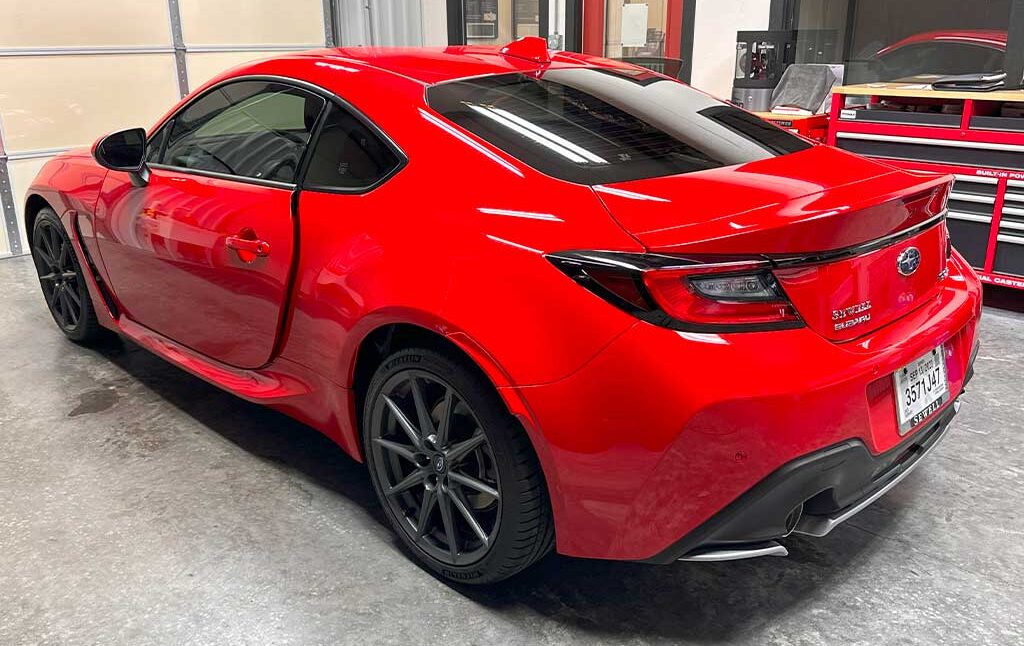
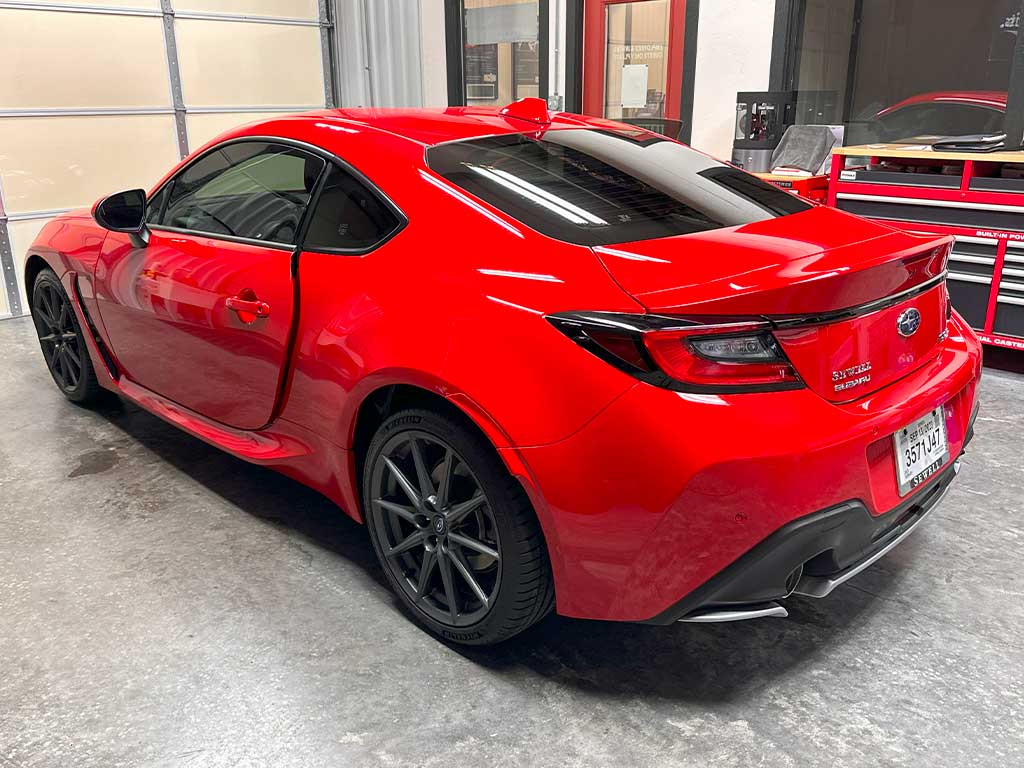
Texas is more lenient when it comes to the rear side windows and the back windshield. These windows can be tinted as dark as you’d like — there are no VLT restrictions for them. However, if your rear window is tinted, Texas law requires that you have side mirrors on both the driver’s and passenger’s sides to compensate for any reduced visibility.
Reflectivity Rules
In addition to VLT, Texas also has laws about how reflective your window tint can be. For both front and rear windows, the tint must not be more than 25% reflective. This rule helps reduce the risk of glare for other drivers and ensures that your windows don’t reflect too much light, which could be a safety hazard on the road.
Medical Exemptions
Texas offers medical exemptions for window tinting laws for individuals with specific medical conditions that require additional protection from the sun. To qualify, you’ll need a signed statement or prescription from a licensed physician. This exemption allows you to have darker tinting than is typically allowed by law.
Consequences of Non-Compliance
If your vehicle’s window tint doesn’t comply with Texas law, you could face fines or be required to remove the tint. Penalties can vary by county, but it’s not worth the risk. Staying within the legal limits is not only important for avoiding fines but also for ensuring road safety. At Sunshield Window Tint, we make sure all our installations comply with Texas regulations, so you never have to worry about non-compliance.
Conclusion
Understanding Texas window tinting laws is essential for any driver who wants to enjoy the benefits of tinted windows while avoiding legal issues. At Sunshield Window Tint in Greenville, Texas, we offer professional window tinting services that adhere to all state regulations. Our expert team will help you choose the right level of tinting that enhances your vehicle’s look and comfort while staying compliant with Texas law. Call us today at (430) 242-1148 to schedule an appointment or learn more about our services. We proudly serve Greenville and the surrounding areas.
